
Basement insulation in Glendale CA - a lower level that stays warm and quiet
Cold floors over the basement, a chilly room down there or noise carrying upstairs? We check for water first, then insulate so it stays comfortable.
Request an estimate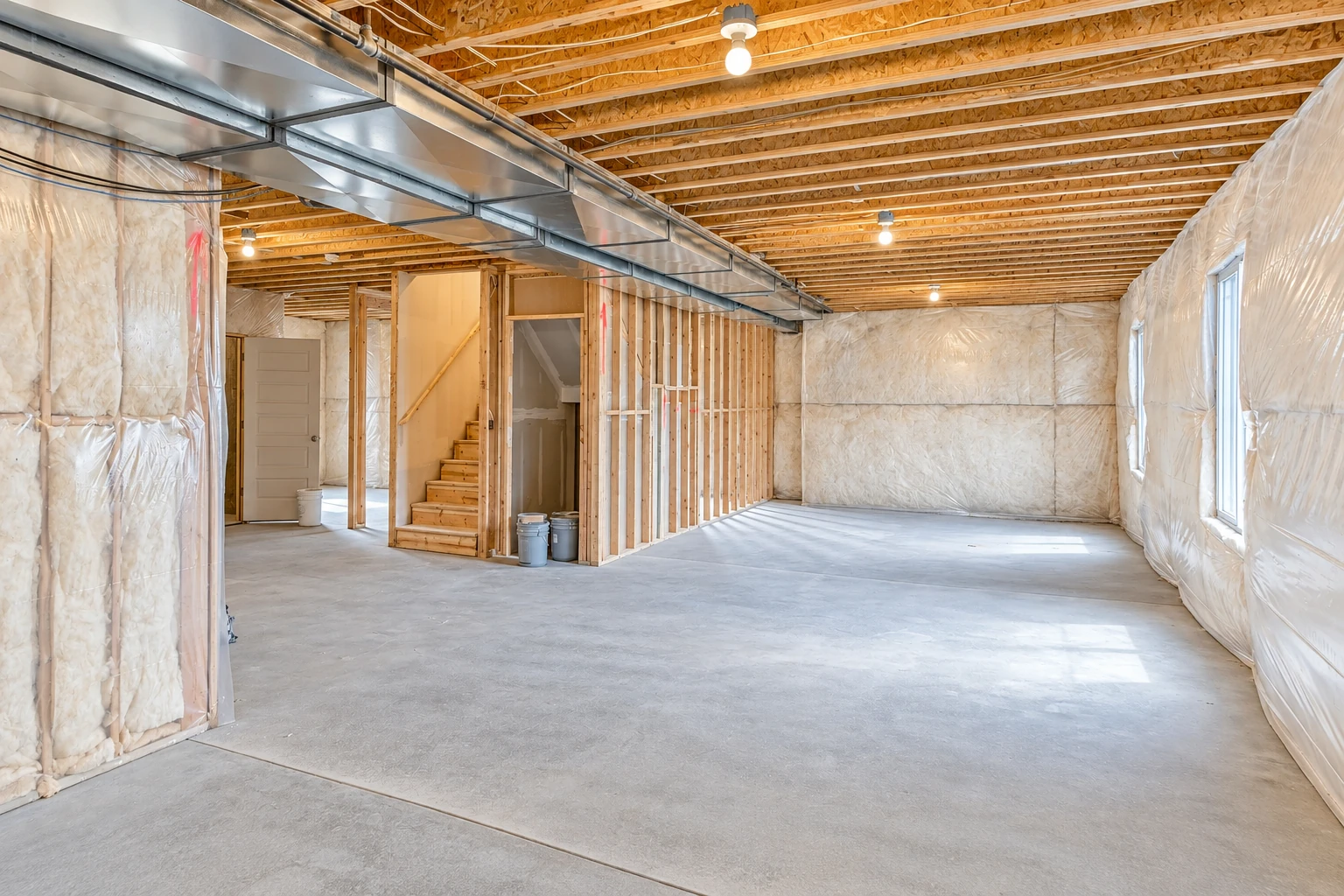
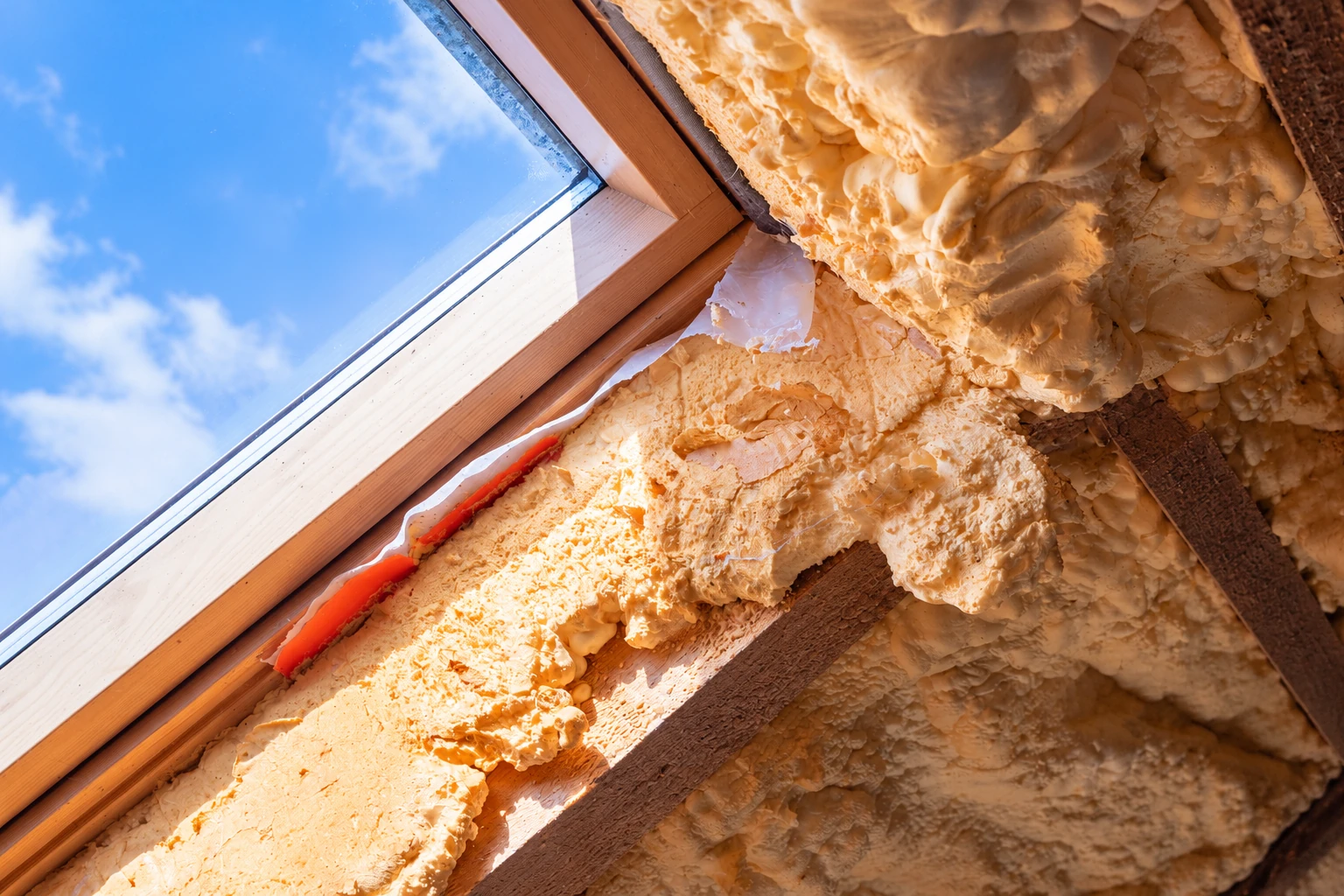
What goes into insulating a basement in Glendale?
Basement insulation in Glendale puts insulation on your basement walls or in the floor framing above the basement, so the space holds its temperature better and less noise travels between floors.
Most people call us because the floors over the basement feel cold, the room down there never warms up, or they just bought an older house and want to know what's behind those walls. The price mostly comes down to how much wall or floor we're covering, whether the walls or the floor above get the insulation, and which material goes in. The schedule turns on water, because if moisture is getting in we sort that out first, and sometimes the right move is to wait. The estimate I write after looking at your basement puts your own figure on it, and if what's under your house is really a crawl space, that's crawl space insulation, a different job.
How we handle basement insulation, start to finish
In a basement, water comes first. I look for damp spots, stains and white crust on the concrete, and if the walls are wet we deal with where the moisture is coming from before any insulation goes on, or I tell you plainly that it's worth waiting, because insulation over a wet wall only hides the trouble. Once it's dry, we decide with you whether the walls or the floor above get insulated, then our crew does the air sealing, closing the gaps around pipes and wires so air can't slip past the insulation. We fit the insulation tight with no thin spots at the edges, seal and insulate the rim joist, the band of wood sitting on top of the foundation, since damp air likes to condense there, and clean up when we're done.
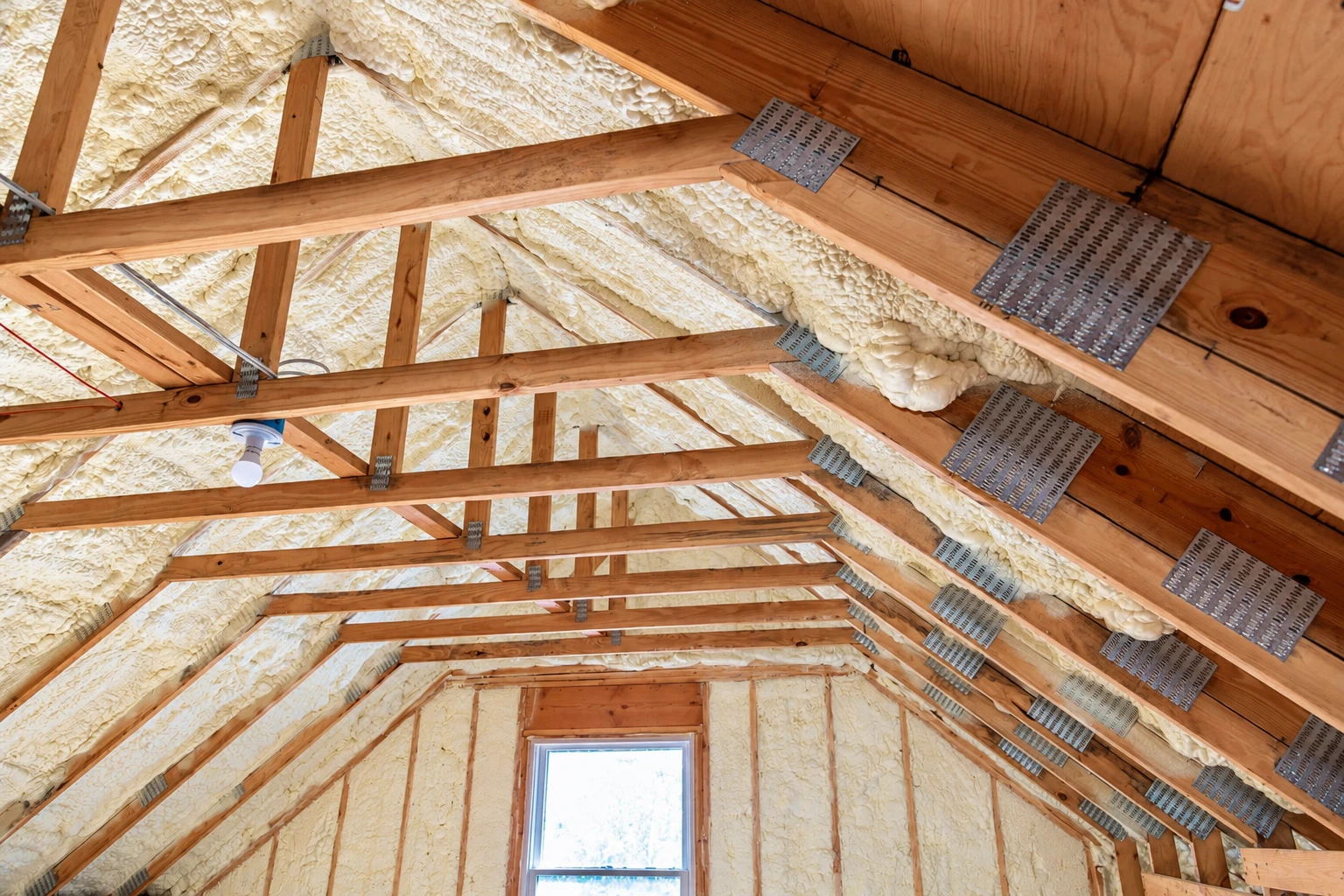
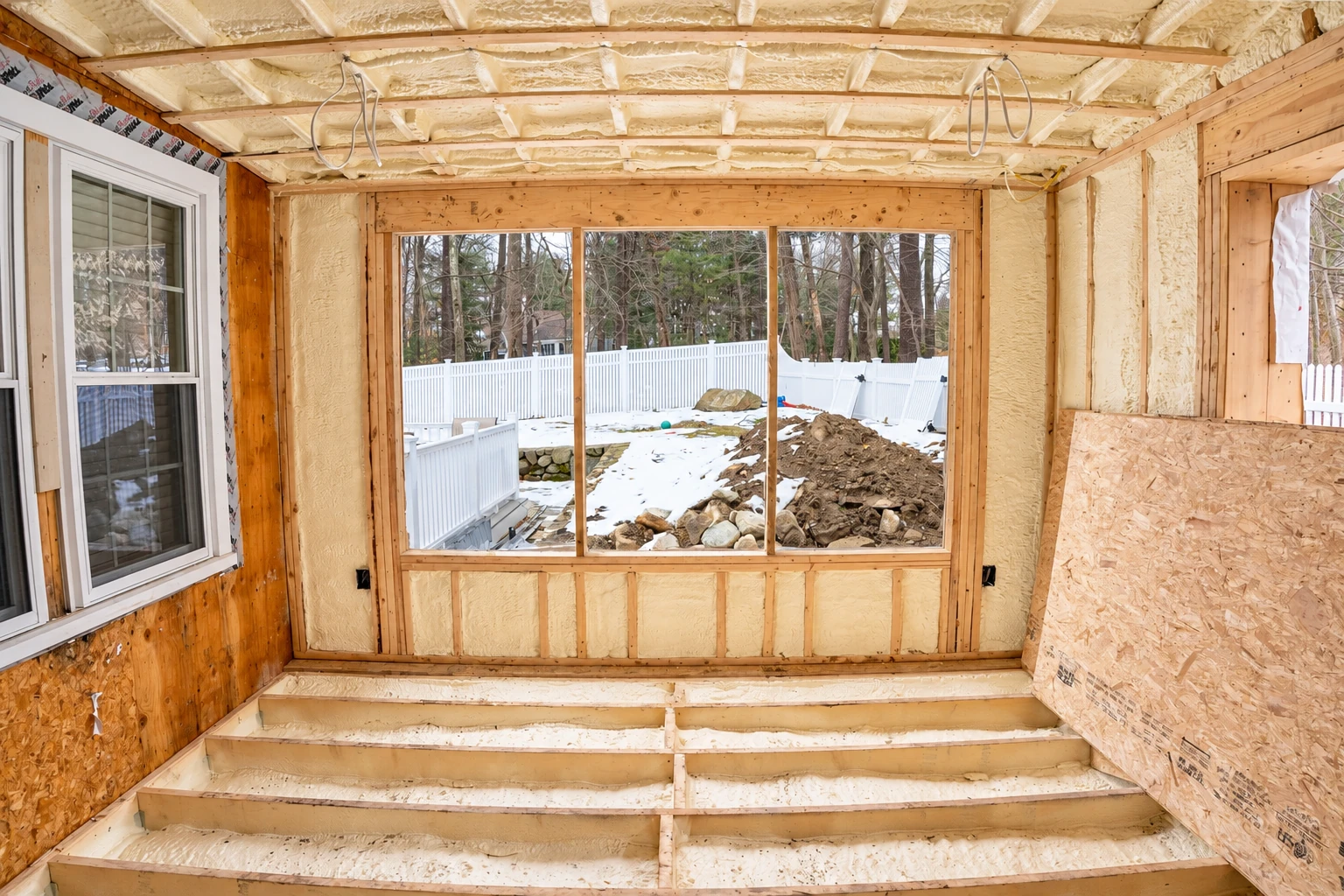
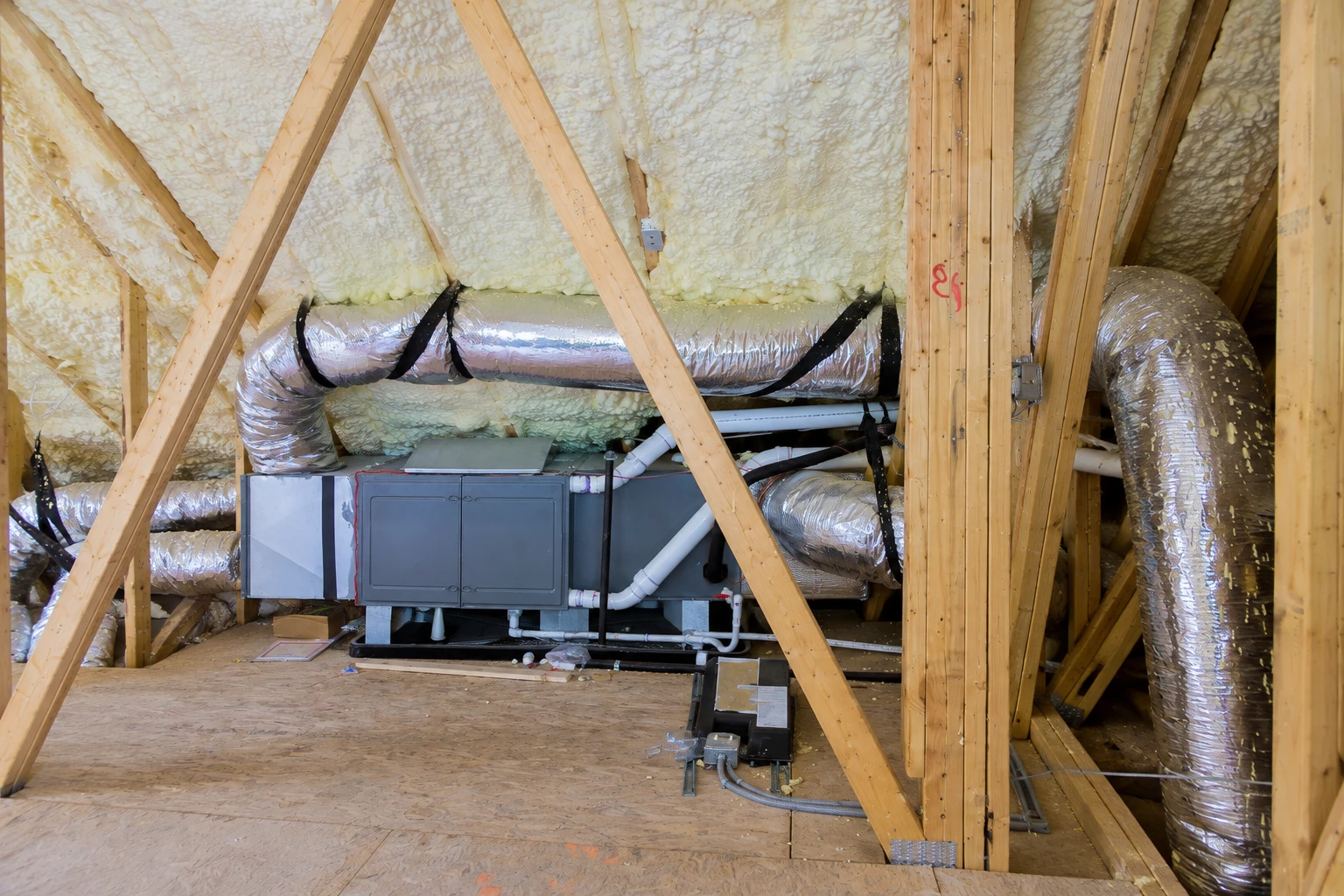
The material depends on where it's going. Closed-cell foam insulation is dense and blocks moisture, so it suits the rim joist and other tight spots, while open-cell foam insulation is softer and good at quieting sound, so it fits the floor framing above better than a foundation wall.
What changes a basement insulation job in Glendale
California's energy code splits the state into climate zones, and the efficiency rules for the shell of your house, insulation included, follow the zone your home sits in, so we work to the zone for your address instead of a one-size number. Permits are the other thing that can change by address. We check with the city or county building office for your house, and if the job needs a permit, we pull it, line up the inspection and put in writing who's handling it.
Full basements aren't common around here, so the ones we see are usually under older houses or dug into a sloped lot, with one wall half underground that tends to stay damp. We see the same kind of hillside basement on jobs in La Crescenta-Montrose and Altadena, and we work the cities around Glendale, from the foothills out across the San Gabriel Valley.
- Call (747) 372-8156
- Mon–Fri: 6 AM–11 PM, Sat–Sun: 7 AM–11 PM
- Glendale, CA 91206
What happens when you call about your basement?
Call and tell me what's going on
Most of the time I pick up the phone myself. We talk about what you're noticing down there and pick a time for me to come out.
I look it over with you
I go down with a flashlight, check the walls, the floor framing above and any damp spots, and walk you through what I find. Then I write up the estimate, showing where the moisture stands, where the insulation should go, the material and the price.
Our crew does the work
Our crew lead and installers handle the job to match what's on the estimate. If we open something up and find what the flashlight couldn't show, we stop and talk it through with you first.
I check it with you
When the crew is finished, I come back and look over the work with you before we pack up. You see the finished walls or floor and can ask about anything.
Why Glendale homeowners call WeatherFit for basement insulation
I quote and check it myself
I'm the one who goes down there, looks at the walls and writes the estimate, and I'm back at the end to check the crew's work with you. You deal with the same person who decided what your basement needs.
Learned the trade from my dad
I grew up crawling through attics with my dad, and I started this business in Glendale in 2021. He taught me insulation is the part nobody sees but the family lives with every day, and that's how we treat a basement.
Licensed and insured in California
We're licensed and insured. California only lets someone without a license take a paid job under $1,000, with no permit needed and nobody working for them, so ask anyone you're comparing for a license you can check with the state licensing board.
When you're ready, call (747) 372-8156 or tell us about your basement and I'll set a time to come take a look.
Request an estimateGet a free on-site estimate for your basement insulation
We get back to you within one business day to set a time, and I come out myself to check the walls, the floor above and any damp spots before writing up a free estimate. There's no obligation and no pressure to book.
- Licensed and insured.
- Phone
- (747) 372-8156
- Location
- Glendale, CA 91206
- Hours
- Mon–Fri: 6 AM–11 PM, Sat–Sun: 7 AM–11 PM
Questions about basement insulation in Glendale
Do I need to fix moisture before insulating my basement?
Yes, moisture comes first, because insulation over a damp wall can hide the problem and sometimes traps water in the wall, which does more damage than leaving it bare. That's why handling water is step one, ahead of choosing any material. At the estimate I'll show you any damp spots and what they point to.
Should I insulate my basement walls or the floor above it?
Insulating the walls usually works better, but it often costs more, so some people insulate the floor above just to keep the price down. If you use the basement as a room, I'd put it on the walls, and if it's storage and your complaint is cold floors upstairs, the floor can be the sensible call. On an existing house the walls get done from the inside, since digging out around the foundation only makes sense if you're already excavating for foundation or drainage work.
How much does basement insulation cost near Glendale?
Insulating a basement in the Los Angeles area usually runs about $1.50 to $4.50 per square foot, which is the going rate around here, not our price. Where your job lands depends on walls versus floor, the material and whether the walls need moisture work first. Your estimate puts a figure on your own basement.
What is the best insulation for basement walls?
Rigid foam board is a good fit for basement walls, and Energy Department guidance says fiberglass batts and cellulose should stay off foundation walls. The foam has to stick to the wall all the way across with no air gap behind it, with the edges and seams sealed tight, and that guidance says foam needs drywall over it to meet code as a thermal barrier, a protective covering, so budget for that. Skip plastic sheeting, foil or vinyl wallpaper and oil, alkyd or epoxy paint on those walls, since they trap moisture.
How do I keep my furnace or water heater safe after insulating the basement?
Have anything that burns fuel down there, like a gas furnace or water heater, checked before the basement is sealed and insulated and again after, to make sure it still runs properly and safely. Tightening up a basement changes how air moves, so the check at both ends belongs in the plan from the start. Tell me what appliances are down there when you call and we'll plan around them.
Who can do basement insulation work in California?
California's license classification for insulation and acoustical contractors covers putting in any insulating material for temperature or sound control, so that's the license to look for. Check it before you sign, since the only paid work someone can do without a license is the very small job described in our licensing note above.
Other work that pairs with a basement job
Closed-cell foam insulation
Dense spray foam that stops air and moisture in one pass, handy on rim joists and other tight spots below grade.
Open-cell foam insulation
A lighter foam that fills cavities and quiets sound, a good match for the framing between the basement and the rooms above.
Tell us what's in your basement
If you know roughly how many square feet it is, where you've seen damp spots and which appliances sit down there, the first call goes quicker and I can plan the visit.
Request an estimateCall (747) 372-8156